How to Protect Your Home Appliances from Voltage Fluctuations
The damage caused to your home equipment by voltage fluctuations will take an expensive toll in repairs or replacement. Thus, it becomes important to protect your home appliances against voltage fluctuations for electrical safety and the longer life of your devices. Voltage fluctuations are sudden rises or drops in the electrical voltage supply beyond the limits specified for the fluctuations. Such changes can be either slight or severe and may occur very often or rarely. Some of the reasons for fluctuation include instability in the power grid, switching of heavy electrical loads, faulty wiring, and lightning strikes. Fluctuation of voltage from one level to another may cause the appliances to malfunction or overheat and even fail early; hence, knowing the hazards and how to mitigate them is vital.
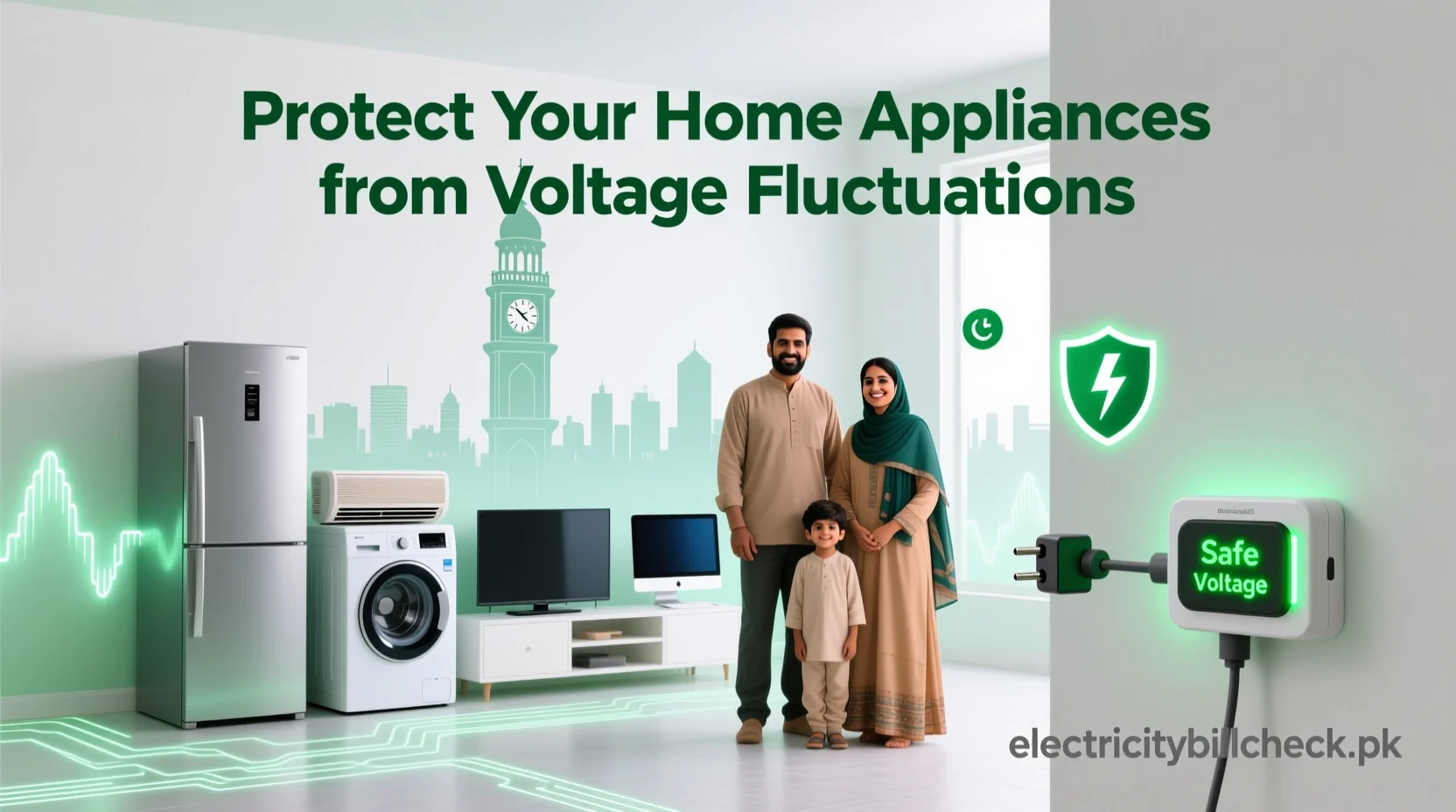
A voltage protector is an electronic device that detects voltage irregularities in the electrical supply and helps protect your home appliances from damage. It works by constantly monitoring voltage levels, cutting power if it identifies either high or low voltage on the unsafe side, and restoring it only when the high or low voltage stabilizes. Some voltage protectors also offer surge protection and automatic reset functions, thereby offering complete peace of mind.
Why Is Electrical Safety So Important in a House?
Electrical safety keeps risks of fires, electric shocks, and damage to household devices at bay. Protecting home devices from voltage fluctuations stands at the heart of electrical safety, as it keeps irregular voltages from burning components to components that burn down due to odd short-circuiting. It helps in the well-being of family members and also adheres to all laws regarding electrical safety.
Common Appliances That Are Most Likely Affected by Voltage Fluctuations
Some are more affected by fluctuations in voltage levels due to their design and composition. These include refrigerators, air conditioners, washing machines, televisions, computers, and some sensitive medical devices. Understanding which are prone helps prioritize the necessary protection measures.
Signs of Appliances Damaged by Voltage Fluctuations
Signs of damage from voltage are frequently tripping the circuit breaker, flickering lights, dimming lights, shutdowns and restarts of devices without reason, atypical sounds from the appliance, and excessive heat development. Early detection gives an adequate window for intervention before the damage to the appliance becomes irreversible.
Types of Voltage Protectors and Their Applications
Voltage Stabilizers: Maintain constant output voltage under fluctuating input voltage conditions, ideal for refrigerators, air conditioning units, and televisions.
Surge Protectors: Mostly used against transient spikes caused by lightning or switching surges, protecting sensitive electronics such as computers and home theater systems.
Automatic Voltage Regulators (AVR): Offer precise voltage regulation for office equipment and machinery.
Uninterruptible Power Supplies (UPS): Not only regulate voltage but also provide backup power in the event of power outages; they work for computers and medical instruments.
How to Select a Voltage Protector for Your Appliances
There are several considerations when choosing an appropriate one:
- Power Rating: Make sure the max load of the protector equals or exceeds the appliance’s power consumption.
- Voltage Range: Pick protectors that suit the variations of the local power supply.
- Response Time: The lesser the response time, the better to avoid damage during sudden surges.
- Reset Functionality: Automatic re-connection enhances consumer convenience.
- Additional Features: Features like surge absorbance, thermal cut-off, and LED indicators enhance safety and monitoring.
- Researching certified and tested voltage protectors from trusted names would also provide extra assurance.
Benefits of Voltage Protectors at Home
Installing this comes with a lot of benefits, such as:
- They ensure that appliances do not get irreversible damage, leading to repair costs.
- They minimize the power waste caused by faults.
- They improve efficiency and prolong the life of equipment.
- They ensure the peace of mind that the electrical system is safe for the family and property.
- They comply with electrical insurance policy requirements.
- These advantages, therefore, make voltage protection a viable investment for any home.
Step-by-Step Guide to Installing a Voltage Protector
Best practices for the installation of these protectors to ensure adequate protection of the devices:
- Identify the appliances being protected and check their power specifications.
- Buy compatible voltage protectors that have good capacity and features.
- Install the protectors as close to the appliances as possible so that they can measure the incoming voltage supply directly.
- Double-check that there is earthing and grounding for protection against faulty leakage.
- Switch the protector on and check operation through the indicator lights or monitoring apps.
- To protect the whole house, contact licensed electricians for the installation of a protector at the main panel.
- Proper installation by a professional will generally prevent mishaps, which could lead to incorrect setups that nullify protection.
Safety Precautions Besides Voltage Protection
On their own, voltage protectors are not all that is required for electrical safety. Avoid circuit overload due to multiple devices from one outlet. Inspect home wiring and electrical panels regularly for wear and tear or damage. Employ surge protectors for computers and expensive gadgets. Unplug delicate electronics during electrical storms. Educate family members on safe electrical usage habits. Putting all these precautions together will considerably reduce the risks posed by voltage irregularities and electrical faults.
How Voltage Fluctuations Impact Devices and How to Protect Your Home Appliances
- Different devices have varying capacities to handle voltage fluctuations, making it essential to protect your home appliances from potential damage.
- Refrigerators and Air Conditioners: Compressors are very sensitive, and low voltage or high voltage can critically damage them.
- Televisions and Computers: Sensitive microchips can undergo permanent damage in case of a power surge.
- Washing Machines and Microwaves: Motor overheating due to a fall in voltage.
- Lights and Fans: Flashing lights are an indication of a voltage drop, which may reduce bulb life.
- Being able to understand these differences helps set priorities to protect your devices effectively.
Conclusion
While protecting your household appliances from voltage fluctuations is an extra mile towards safety and efficiency, it is nevertheless a step in its direction. The appliances would work for years without problems if proper voltage protectors were utilized, good electrical habits maintained, and the power quality otherwise watched. Voltage fluctuations, with all their damages and costs, suggest that it must be considered an intelligent investment in protective devices, while also adopting a full-fledged approach to electrical safety, an absolute necessity for any household.