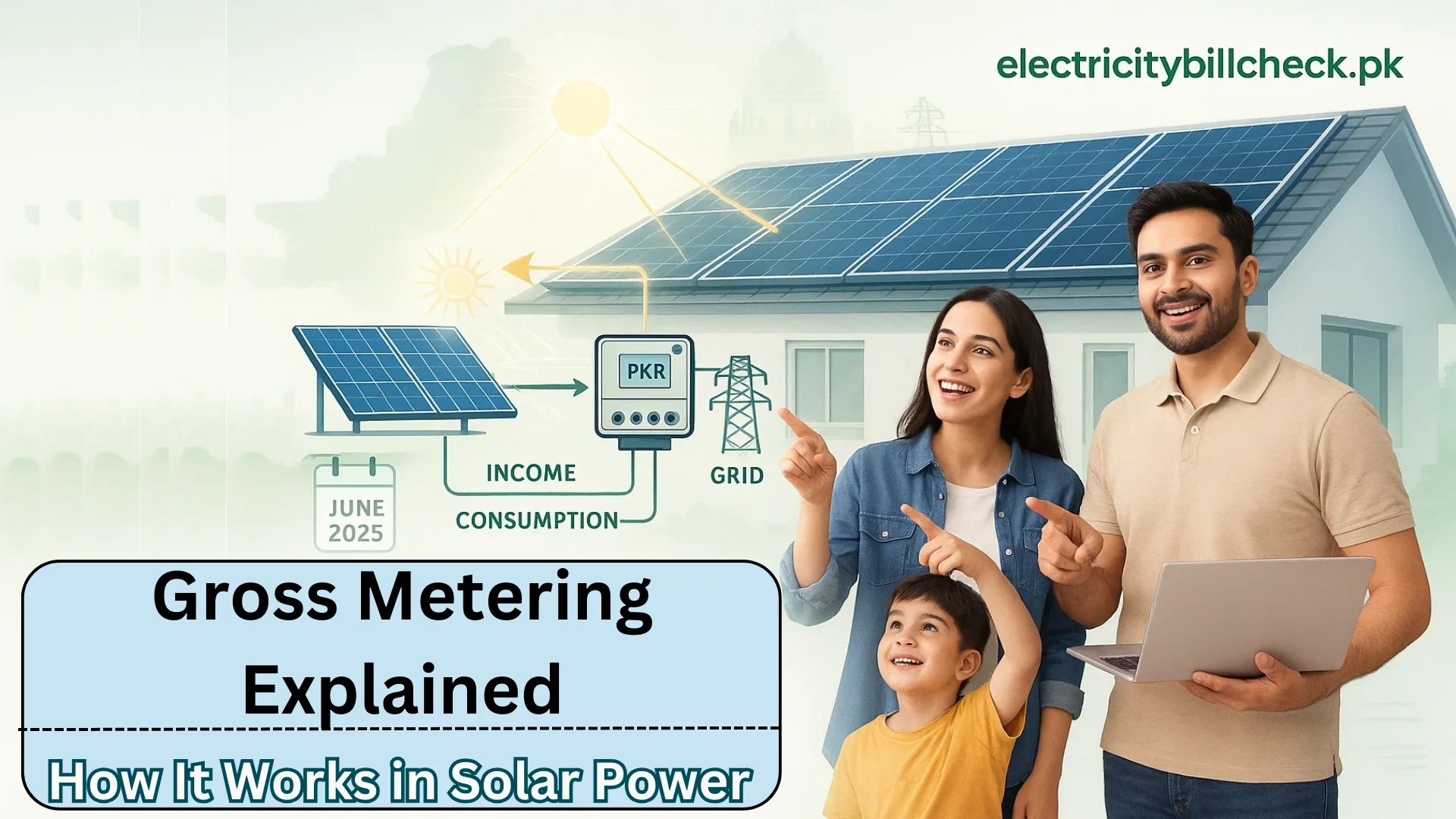
Gross Metering Explained: How It Works in Solar Power
Gross metering is an arrangement for electricity metering typically used for consumers generating their power, generally through solar photovoltaic systems. In a gross metering system, all the electricity generated by the client’s renewable energy system is sent to the grid directly, using the specific gross meter. In other words, in net metering, offsetting electricity consumption against generation, in gross metering, the consumer has to buy all the electricity separately from the grid that it consumes. This changes the dynamics of power billing and energy trading between consumers and utility companies, it becomes important to understand.
Gross metering means a consumer’s power generation is measured separately from their consumption. The generated electricity is fully recorded by a unidirectional meter and sold to the utility at a predetermined feed-in tariff. Simultaneously, consumption from the grid is metered independently, and the consumer pays the retail tariff for all energy drawn. This approach is common in large-scale or commercial solar installations but is increasingly considered for residential use under evolving policies.
Gross Metering Policy
The policy outlines the regulations specifying how consumers sell the electricity they generate, purchase electricity from the grid, and are compensated for their solar power. This policy generally specifies feed-in tariffs, meter specifications, and billing arrangements. Many countries or regions are establishing policies to incentivize renewable energy adoption while addressing grid stability and utility revenue impacts. In some countries, such as Pakistan, it has been introduced to replace the net with respect to utilities financial burdens, although this has been a subject of debate concerning consumers savings.
Gross Metering’s Requirement for Implementation
For the implementation, certain technical and administrative requirements are to be fulfilled. These will usually include:
- The installation of two separate meters at the consumer’s premises, one meter for solar generation unidirectional and a meter for consumption standard.
- Interconnection standards for safe integration of power produced with the grid.
- Feed-in-tariff agreements or contracts that state the compensation rate.
- Grid infrastructure capable of handling two-way power fluxes and settlement systems for billing and receipts.
- Compliance with safety, metering accuracy, and regulatory requirements.
- Good accounting of power fluxes, as well as fair remuneration, would depend on ensuring that these preconditions are met.
Understanding Gross Metering Systems
The systems refer to the technical setup used to operate arrangements. These systems include solar panels or other generation equipment, gross meters that measure total exported power, and conventional meters for measuring consumed electricity. The data from these meters is collected separately, and the billing system processes them individually. The systems generally have two circuits, one for feeding electricity from the generation source to the grid and the other for drawing power from the grid for consumption.
Function of the Gross Meter
The gross meter is a unidirectional device that solely records the amount of electricity generated and exported to the grid by the consumer’s renewable energy system. Unlike the bidirectional or net meters, the gross meter does not subtract power consumed; it only measures generated power. The readings from the gross meter are a vital parameter for calculating feed-in tariffs, as well as billing under the gross regime.

Differences Between Gross Metering and Net Metering
The core difference between gross and net lies in how the generated electricity is utilized and accounted for:
In gross, all generated power is sold to the utility, and all consumption is separately purchased. In net, generated power is first used to offset consumption within the premises, and only excess electricity is sold to the utility.
Gross metering requires two meters; net metering typically uses a single bidirectional meter; tariffs (feed-in) are usually lower than retail tariffs, while net metering credits are often at retail rates. This significantly affects cost savings, energy independence, and models for utility revenues.
Gross Metering Arrangement
gross metering arrangement involves contractual arrangements, infrastructure for metering, and billing modalities that segregate generation from consumption. Some of the advantages of gross metering include:
- Predictable revenues for consumers who sell electricity at a fixed feed-in tariff.
- Simpler metering and billing since generation and consumption are measured independently.
- Encouragement of bigger solar installations since capacity limits do not apply.
- Controls the flow of power injected separately, thus ensuring grid stability.
- This arrangement profits commercial consumers or those intending to monetize excess solar energy.
Gross Metering Arrangement Policy in Pakistan
Recently, Pakistan transitioned from net metering to a gross policy framework. Under this revised policy, all electricity generated from rooftop solar systems is sold to the national grid at a feed-in tariff, which is much lower than retail electricity rates. Consumers will then buy all their electricity from the grid at retail prices, negating the offset benefit under net metering. By discouraging the financial burden on the utilities, this shift raised concerns for consumers regarding higher electricity prices and bearing cold water at the enthusiasm level of solar adoption.
Impact of Gross Metering on Solar Energy Adoption
Solar energy adoption levels may be swollen or suppressed by the gross metering alternative, depending on tariff structures and cost-benefit balances to the consumer. Lower feed-in tariffs and no direct consumption offset can only dent the financial appeal of gross metering for residential solar systems. On the other hand, it absolutely should be able to open doors for commercial players with large capacity installations. Policymakers must thus finely calibrate gross metering requirements and tariff levels to allow the sustainable solar-power base to grow without strangling it financially.
Conclusion
Gross metering is a critical metering mechanism shaping renewable energy growth worldwide. It accounts separately for generated and consumed electricity, thus providing a transparent and structured approach to the integration of solar energy. While it has some obstacles, such as a diminished level of consumer savings and an increased cost of administration when compared to net, the policy frameworks and system arrangements governing gross metering enable mutually beneficial energy trading between the utility and the consumers. An explicit comprehension of the requirements, policies, and impacts of gross metering is paramount in effectively edging toward the renewable energy transition.